Listing a route on BizBuySell costs $74.95 to $199.95 a month on a six-month term (BizBuySell1). A broker typically takes 10% to 15% of the sale price on businesses up to about $1,000,000, according to a Florida broker writing on BizBuySell4.
Vending businesses sold through BizBuySell from 2021 to 2025 went for a median $83,500, about 2.15 times owner earnings, after a median 64 days on the market. Buying a vending route has the full range and the California listings buyers will compare yours against.
Where to list it
| Where | What it costs the seller | Notes |
|---|---|---|
| BizBuySell1 | $74.95, $99.95, or $199.95 a month on a 6-month term | Advertising only, no commission. Listings also appear on BizQuest and LoopNet. Renews month to month after the term |
| BusinessesForSale6 | $199, $299, or $399 once, for 1, 3, or 6 months | “No commission or hidden charges” |
| BizQuest7 | Not published | Shows the same vending listings as BizBuySell |
| The Route Exchange8 | No upfront fee; commission on sale not published | Route broker; closing 4 to 12 weeks after the sales agreement |
| Route Consultant9 | Not published | Route broker listing FedEx, bread, vending, and other routes |
| VendRoute10 | Not published | Run by VendHub; passes buyers to the broker handling the sale |
BizBuySell says a listing includes a business valuation report it values at $179.95.
Selling through a broker
The BizBuySell article4 by Gil Sanchez, a Florida business broker, says commissions typically run 10% to 15% of the sale price for businesses up to about $1,000,000. Under $100,000 brokers often charge a flat fee instead; his example is $10,000 or $15,000 on a $95,000 sale. We found no broker association that publishes a standard rate. Ask for the commission, the listing term, and what happens if you find the buyer yourself, all in the listing agreement.
What buyers ask for
Buyers who can borrow will need records a lender accepts. An Atlanta route13 asking $215,000 was listed as cash-only: it had no profit-and-loss statement or filed tax returns, and its broker said no bank or SBA lender would finance it.
A Denver listing12 offers these after a buyer signs a non-disclosure agreement and shows proof of funds:
- monthly sales by machine;
- profit-and-loss statements;
- an equipment list;
- location details, including site type and commission terms.
The Atlanta listing shows that filed tax returns matter to lenders. Adding makes, models, and serial numbers to the equipment list lets a buyer match each machine on site.
A BizBen article11 recommends a route report that codes each location by letter, so a buyer can judge the route before learning where the machines are, and letting a buyer ride the route only once they are under contract.
Buyers will also ask whether each location agreement can pass to them. Get each location’s consent to a new operator lined up before closing; Buying a vending route explains why.
California: closing your sales tax account
The machines are usually taxable. When a business holds a seller’s permit, “sales of its fixtures and equipment are generally taxable,” and if the contract sets no separate price for the equipment, CDTFA uses its book value (Publication 7414). Stock sold to a buyer who gives you a resale certificate is not taxable.
To close out, per CDTFA’s instructions14:
- Notify CDTFA online or on form CDTFA-65, with the selling price, the buyer’s name, and a copy of the bill of sale.
- File a final return and report the sale of fixtures and equipment separately.
- Keep your records for four years after closing.
The buyer is required to hold back enough of the price to cover any sales tax you owe until CDTFA issues a clearance (RTC §681116). Escrow will hold your liability plus the tax due on the equipment, and Publication 74 says the clearance can take 60 days or more.
Cancel your seller’s permit. Under Regulation 169915, you stay liable for tax a new owner runs up under your permit until CDTFA is told about the transfer.
Federal and state income tax on the sale
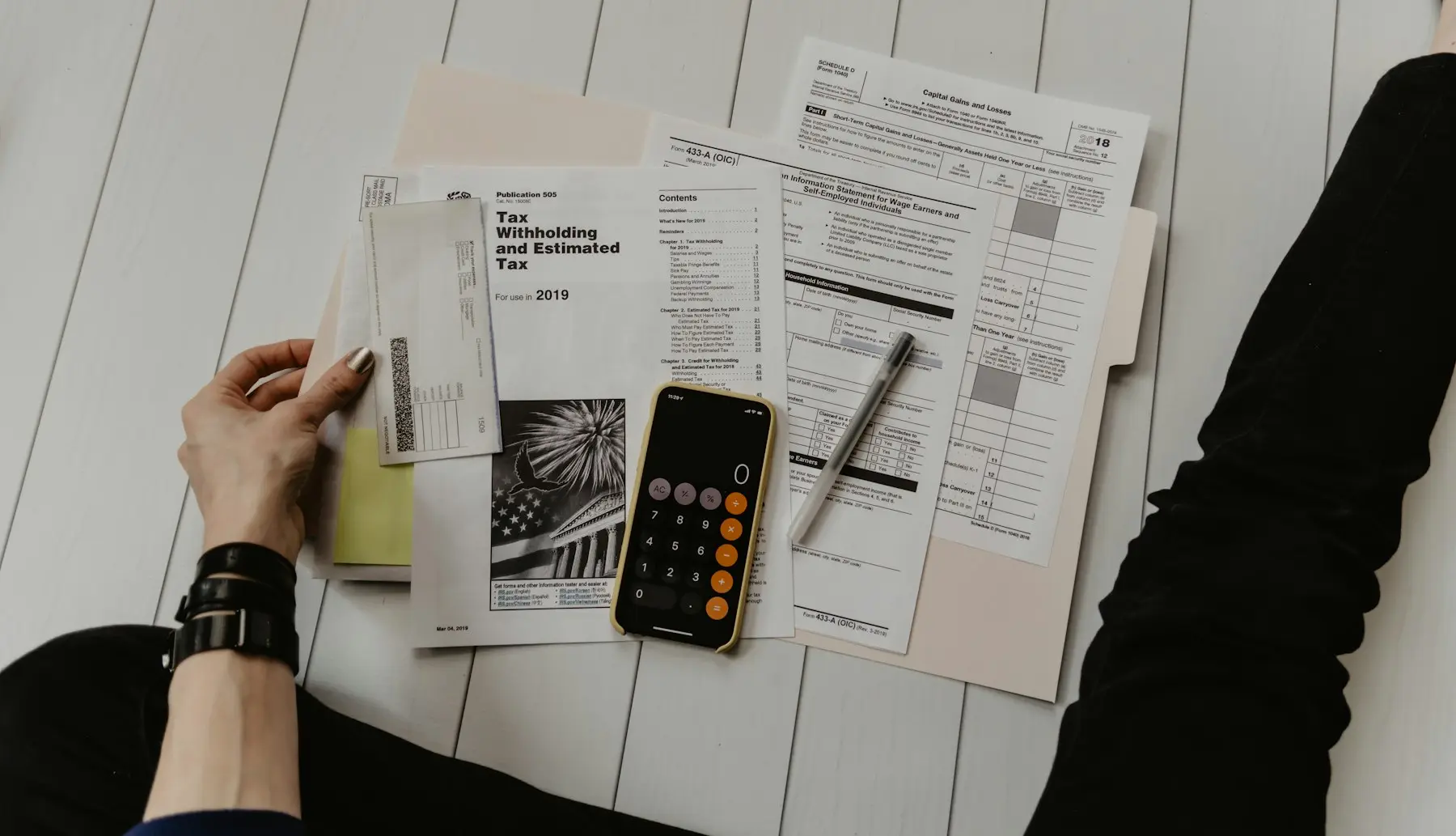
You and the buyer each file IRS Form 859418, splitting the price across asset classes: stock, machines and vehicles, a non-compete and the location list, and goodwill. Agree the split in the purchase agreement, because it decides how each part is taxed.
- Each asset is treated as sold separately.
- Stock produces ordinary income.
- Gain on machines is ordinary income up to the depreciation you were allowed, including any section 179 deduction you took. Gain above that can qualify for capital gain treatment.
If the buyer pays you over time, the depreciation part still has to be reported in the year of sale, whether or not you received a payment that year (Publication 53720). California taxes capital gains as ordinary income; the FTB21 says it “does not have a lower rate for capital gains.”
A non-compete
Buyers may ask you not to set up again nearby. California allows that when you sell a business with its goodwill, limited to the area where the business operated (Business and Professions Code §1660117). On Form 8594 the non-compete is its own asset class, so give it a price in the agreement.
Seller financing
In BizBuySell’s Q2 2026 Insight Report5, 90% of buyers across all industries expected seller financing, and 29% of owners planned to offer it. We found no credible published figure for typical rates, terms, or share of the price.
If the buyer is using an SBA loan, a note you carry may count toward the buyer’s 10% minimum only if it takes no payments for the life of the SBA loan and makes up no more than half of that 10%, according to a May 2025 law-firm summary22 of SBA’s lending rules.