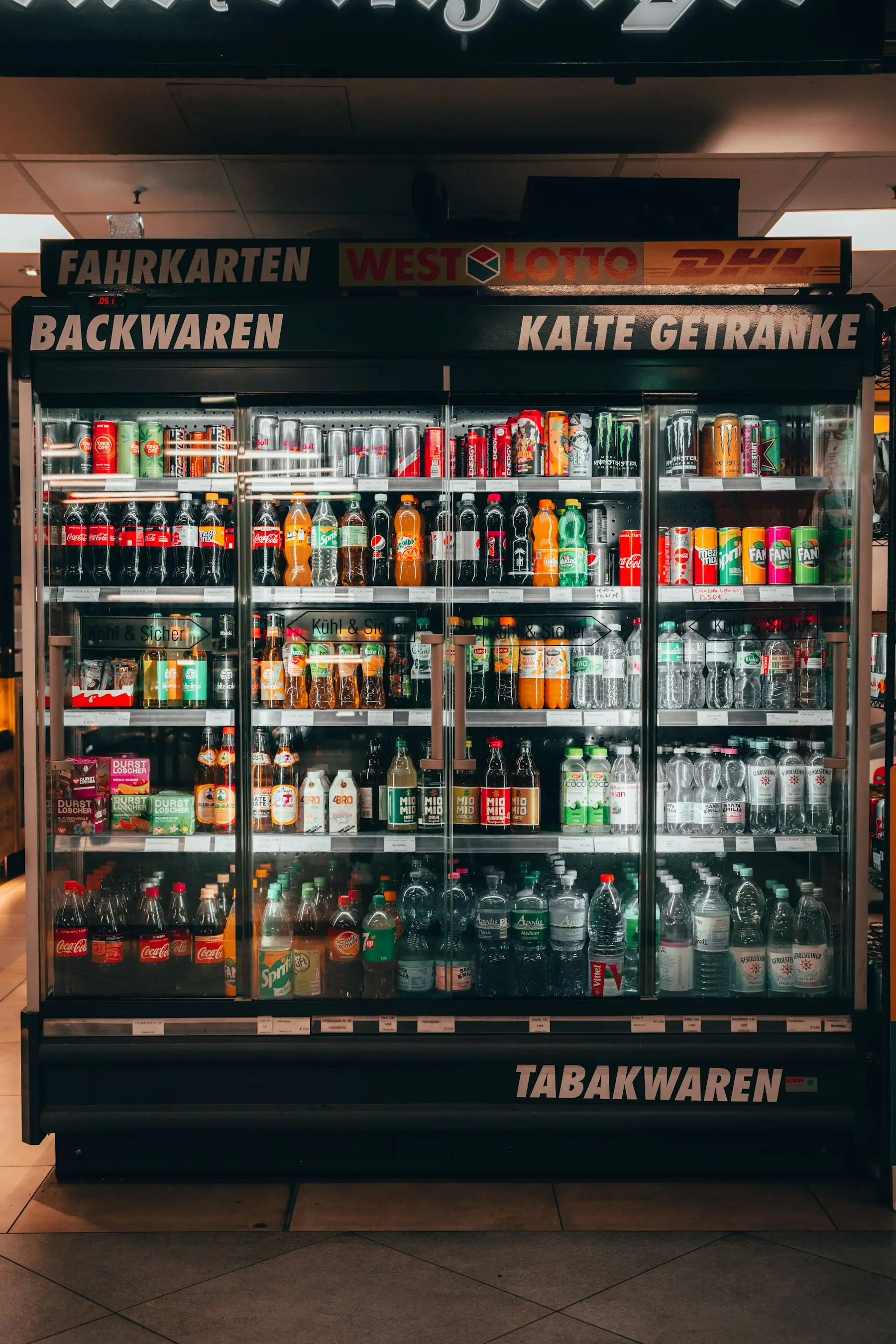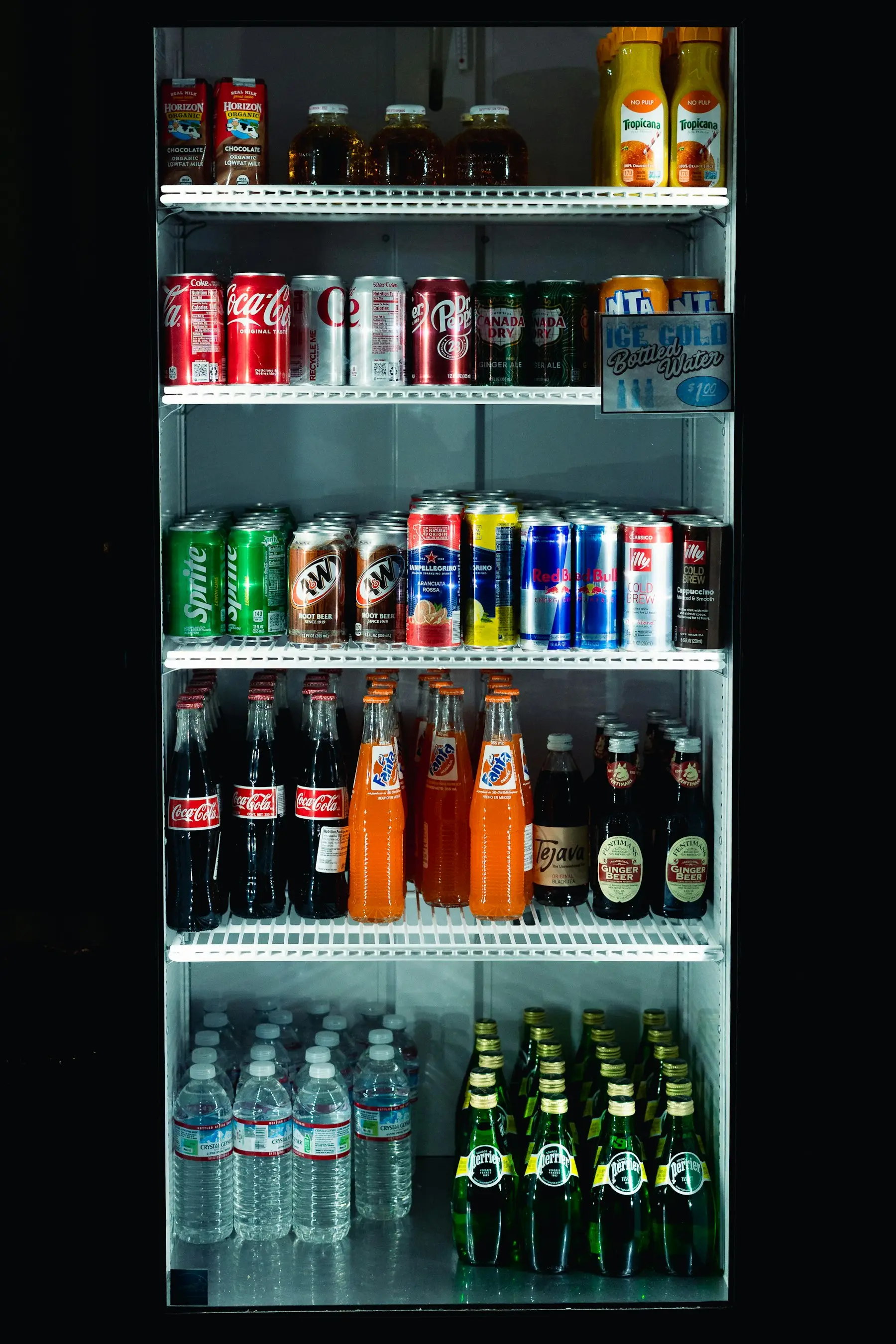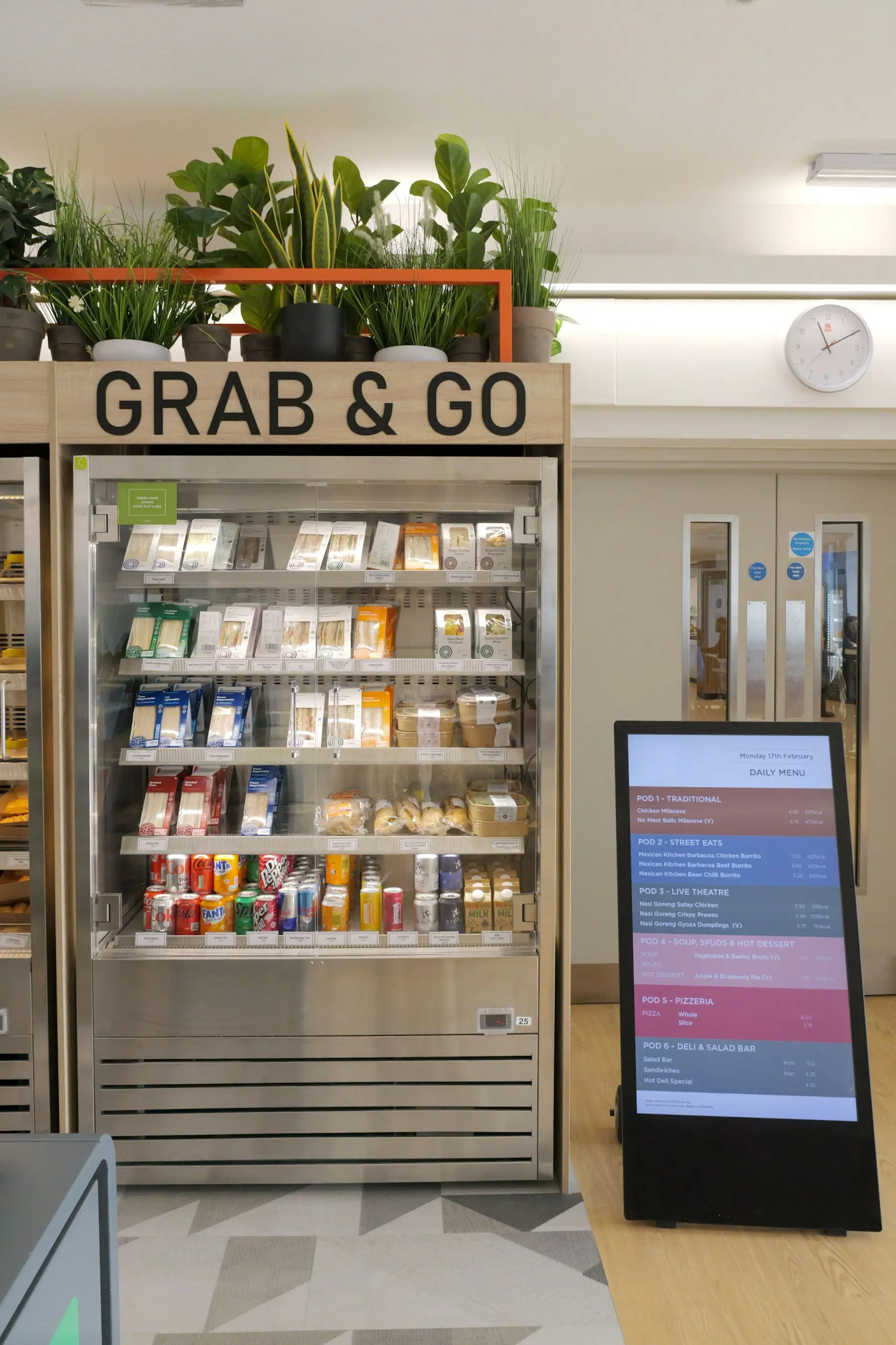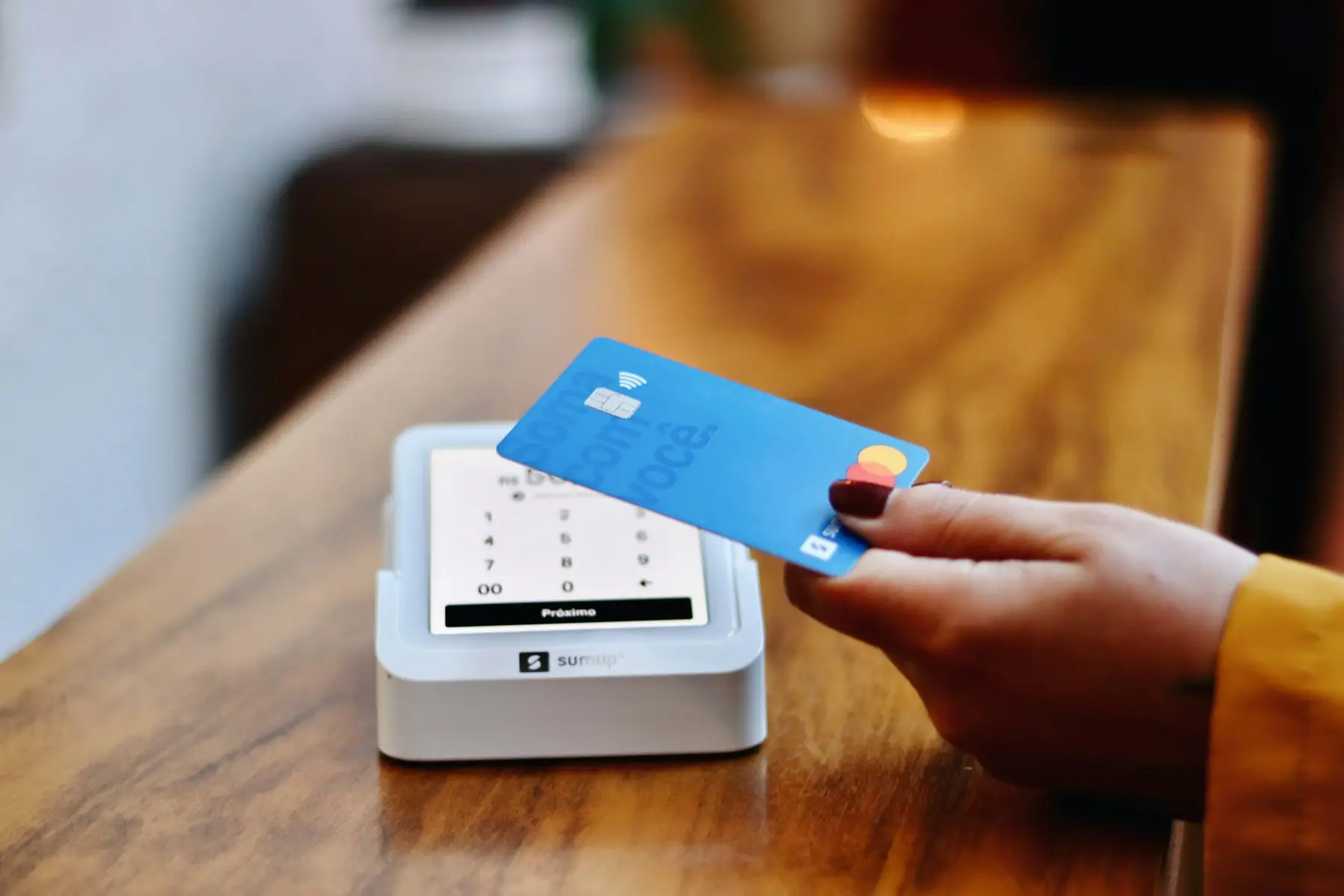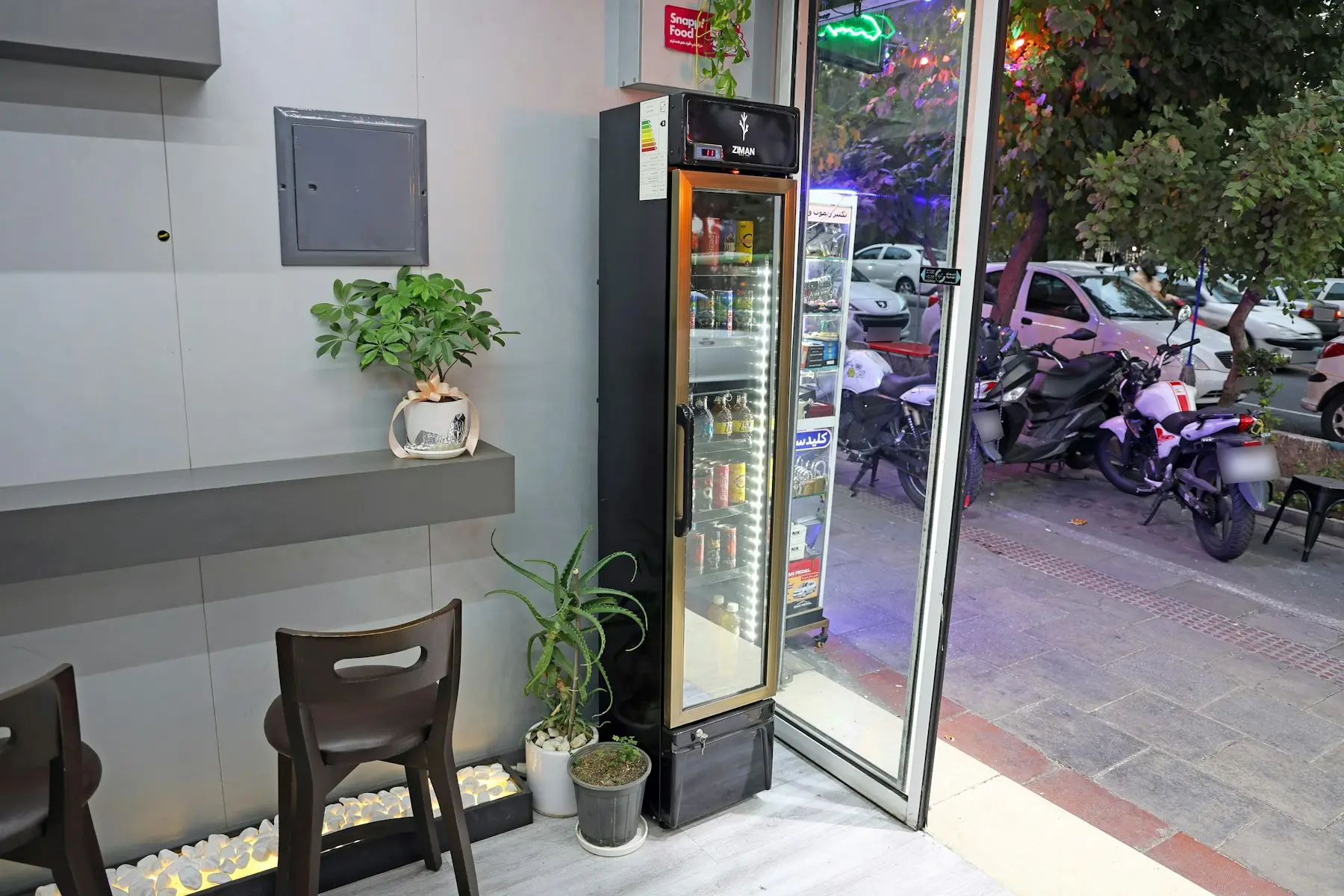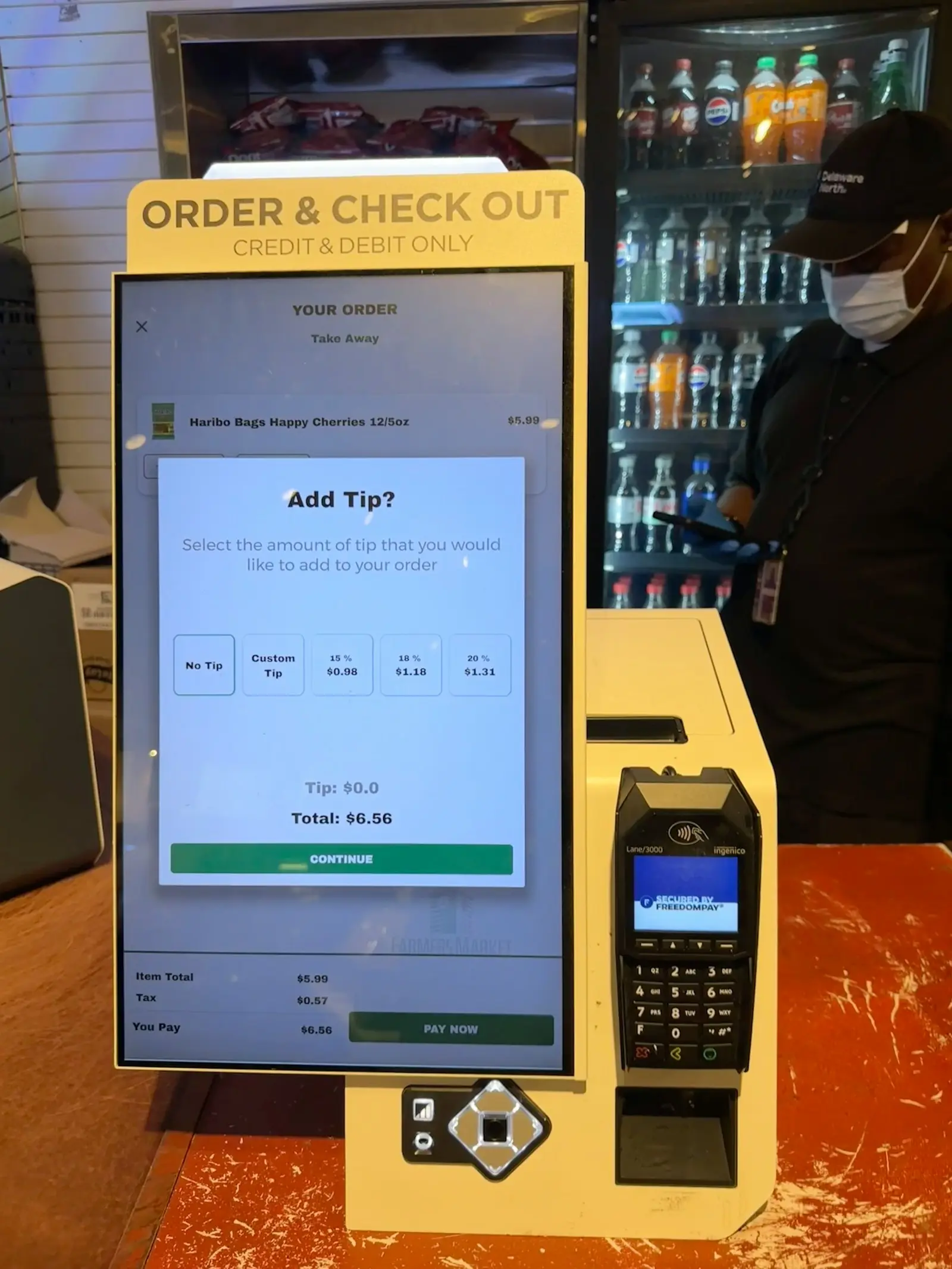
A micro market is an unstaffed store inside a workplace: open shelves and glass-door coolers, with a self-checkout kiosk where the buyer scans each item and pays. Cantaloupe’s online store, which now sells 365 Retail Markets hardware, lists the 365 PicoMarket kiosk at $2,209 and the MM6 at $5,069 (Cantaloupe store). The reseller eVending lists the software subscription at 7.5% of monthly sales, with a $75 minimum and $175 maximum, plus 5.95% card processing per transaction (eVending).
It sits between a smart cooler, which locks and charges for what leaves the door, and a staffed store. Nothing is locked, so it relies on the building being private and on cameras.
Who sells the kiosks
One company. 365 Retail Markets bought Avanti Markets in 2021 and closed its purchase of Cantaloupe in May 2026 (Federal Register, 365). In its consent order, the FTC said 365 holds more than 70% of the US market for micro market kiosks and software (Federal Register).
The FTC’s final order, approved June 17, 2026, required 365 to sell Cantaloupe’s Three Square Market business to Seaga Manufacturing and to offer integrations to customers and other companies on reasonable and non-discriminatory terms (FTC). The 365 Retail Markets review covers the company’s smart coolers and the merger in more detail.
I think the concentration is the main fact for a new operator here. Fees are set by a company with most of the market, and the integration terms the FTC imposed are what keep your data portable if you move to Seaga’s Three Square Market later. I’d ask for those terms in writing before signing.
Kiosk and fixture prices
| Item | Cantaloupe store | eVending |
|---|---|---|
| 365 PicoMarket | $2,209 | $2,065 |
| 365 PicoMarket Plus | $2,759 | — |
| 365 Aux Kiosk | $2,759 | — |
| 365 MM6 | $5,069 | $6,450 |
| X2F Executive Kiosk | $6,599 | — |
| 4-ft island fixture | $1,899 | — |
| 4-ft snack fixture | $2,239 | — |
| VRD37 cooler | $3,049 | — |
| PicoCooler Vision (smart cooler) | $7,929 | — |
Sources: Cantaloupe store, eVending PicoMarket, eVending MM6. Prices checked November 14, 2026.
A market needs at least one kiosk, a cooler, and shelving. From the Cantaloupe list, a PicoMarket, one VRD37 cooler, and one snack fixture come to $7,497 before inventory, freight, and installation. That is close to the price of one PicoCooler Vision. For machine prices more broadly, see how much a vending machine costs.
Monthly fees
| Fee | Amount, per eVending’s 365 listings |
|---|---|
| Software subscription | 7.5% of monthly sales; $75 minimum, $175 maximum |
| Card processing | 5.95% per transaction |
| Ethernet with cellular backup | $10 a month |
eVending adds that monthly costs may vary with usage and configuration (eVending). 365 and Cantaloupe do not publish micro market fees on their own sites. The FTC describes the model as recurring monthly usage fees plus a percentage of each transaction (Federal Register). In 2018, the National Council of State Agencies for the Blind put the typical charge at around $150 per kiosk a month plus about 5% per transaction (NCSAB).
The subscription cap changes the math by location size. At $1,000 a month in sales, 7.5% is $75, the minimum. At $2,333 or more it hits the $175 cap. Processing stays a flat percentage at every size. Compare this with smart cooler monthly fees before choosing between the two for one site.
What a location needs
365 says there is no recommended employee minimum. Its kiosks need a wired Ethernet connection of at least 1 Mbps up and down and a dedicated space with power, and it recommends cameras, which its Cancel Alert feature uses, without requiring them (365).
Other published thresholds are older and higher. The NCSAB paper, citing NAMA, says micro markets generally need to serve 100 or more patrons a day to break even, and calls 300 employees in a building the vendors’ sweet spot (NCSAB). I’d treat 365’s no-minimum line as a statement about what its software allows, and size a first market to the NCSAB range, since the fixture cost above has to be paid back by someone’s daily purchases.
The building has to be closed to the public. Maryland’s statute defines a micro market as unstaffed, self-checkout, indoors within a separate business, and generally open only to people in the building (§17-1701). Use the location scorer to compare a site’s headcount against a smart cooler or machine.
Shrink
Shrink is the difference between what was stocked and what was paid for. Operators in Automatic Merchandiser’s survey reported 4% on average for 2024 (VendingMarketWatch). The 2026 report says about two-thirds of respondents report shrink under 5% and 12.5% report over 10%, without separating micro markets from other equipment (VendingMarketWatch). These are operator self-reports.
What hosts are paid
Public contracts show the terms. Valencia College in Florida awarded its vending and smart markets contract to Canteen in November 2025 for five years, at a 15% commission on smart markets with a $200,000 minimum annual guarantee, per a Govly award summary (Govly). Gadsden State Community College in Alabama asked bidders to set their own percentage of gross sales, due by the 10th of each month with a 1.5% late penalty. The college supplies only water, electricity, and outlets; the operator handles all refunds; and the term is 12 months, renewing for a second and third year (Gadsden State).
For commission norms on machines, and the clauses to put in a placement agreement, see how to pitch vending machine placement.
Health and food rules
The FDA Food Code 2022 annex calls the unmanned breakroom market a recent innovation and leaves to state and local regulators whether one needs a person in charge on site, naming surveillance and posted contact information as factors (FDA Food Code 2022, Annex 3).
| State | Rule |
|---|---|
| Florida | FDACS permits unattended food establishments, also known as micro markets, at $175 a year (5K-4.020) |
| Maryland | A micro market license is required; operating without one is a misdemeanor with a fine up to $5,000 (§17-1706). A 2019 proposed health rule called for prepackaged, tamper-evident food at 41°F or below, 24-hour video kept 14 days where cameras are used, and a sign with the operator’s contact details (MDH) |
We did not confirm whether Maryland adopted the 2019 proposal as written. For fresh food in a market, the fresh food vending guide covers temperature, date, and sourcing rules.
The FDA’s vending calorie rule covers a self-service machine that dispenses food, for operators of 20 or more machines, where the buyer cannot see the Nutrition Facts before buying (21 CFR 101.8). The FDA’s compliance guide does not mention micro markets (FDA), and in a market the buyer holds the package before paying.
Sales tax
- Indiana says a micro market is not a vending machine for sales tax. Whether items are taxable depends on what is sold and how the market is set up, such as whether utensils are provided or food is heated (Indiana DOR).
- Virginia requires kiosks to apply the rate item by item: food for home consumption at the reduced 2.5% rate and hot food and drinks at the general rate. Vending machines inside the market stay under the vending rules (Virginia Tax).
Check your state’s guidance before you price, since a market and a machine can be taxed differently for the same snack. The route guide covers how vending sales tax is usually filed.
How big the channel is
Automatic Merchandiser’s survey counted 55,770 micro market locations in 2024, up from 42,900, and put total convenience services revenue at $40.04 billion for 2025 (VendingMarketWatch 2025, VendingMarketWatch 2026). The share of respondents adding micro market locations fell to 38% in the 2026 report from 84% in 2023 (VendingMarketWatch 2026). More industry figures are in vending industry numbers for 2026.