The calculator takes one machine’s monthly sales and subtracts product, card fees, the location’s commission, and any other monthly cost. What is left is operating profit. If you finance the machine, the loan payment comes out next, giving net profit.
Where the starting numbers come from
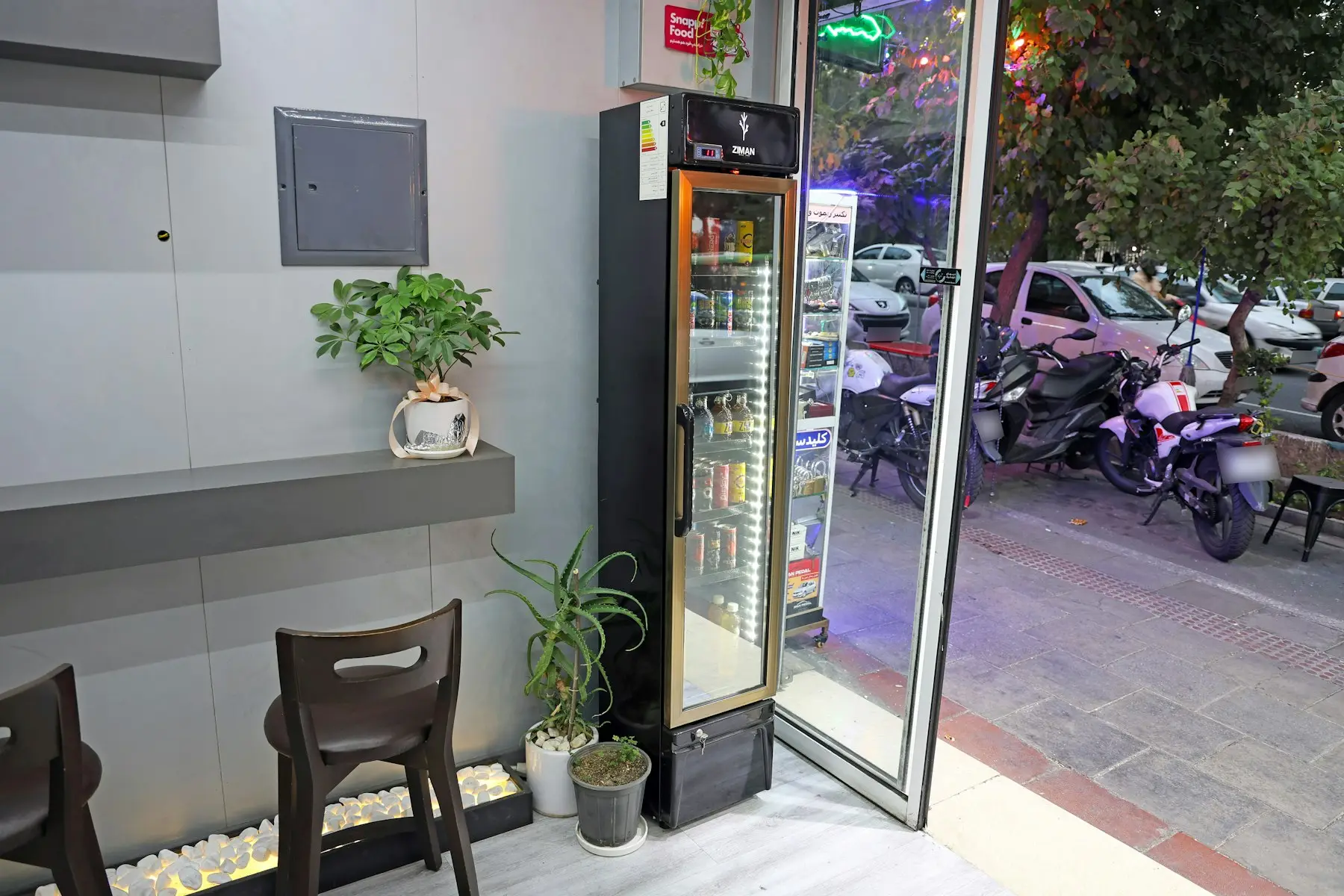
Smart cooler. One of our coolers at a gym: a $4,000 machine, about $500 a month in sales, product at 25% of sales, and card fees of 4% plus $8 a month. That leaves $347, the same receipt shown in how to run a vending route. The 15% commission is what our claw machine location takes; the gym’s rate is not published here.
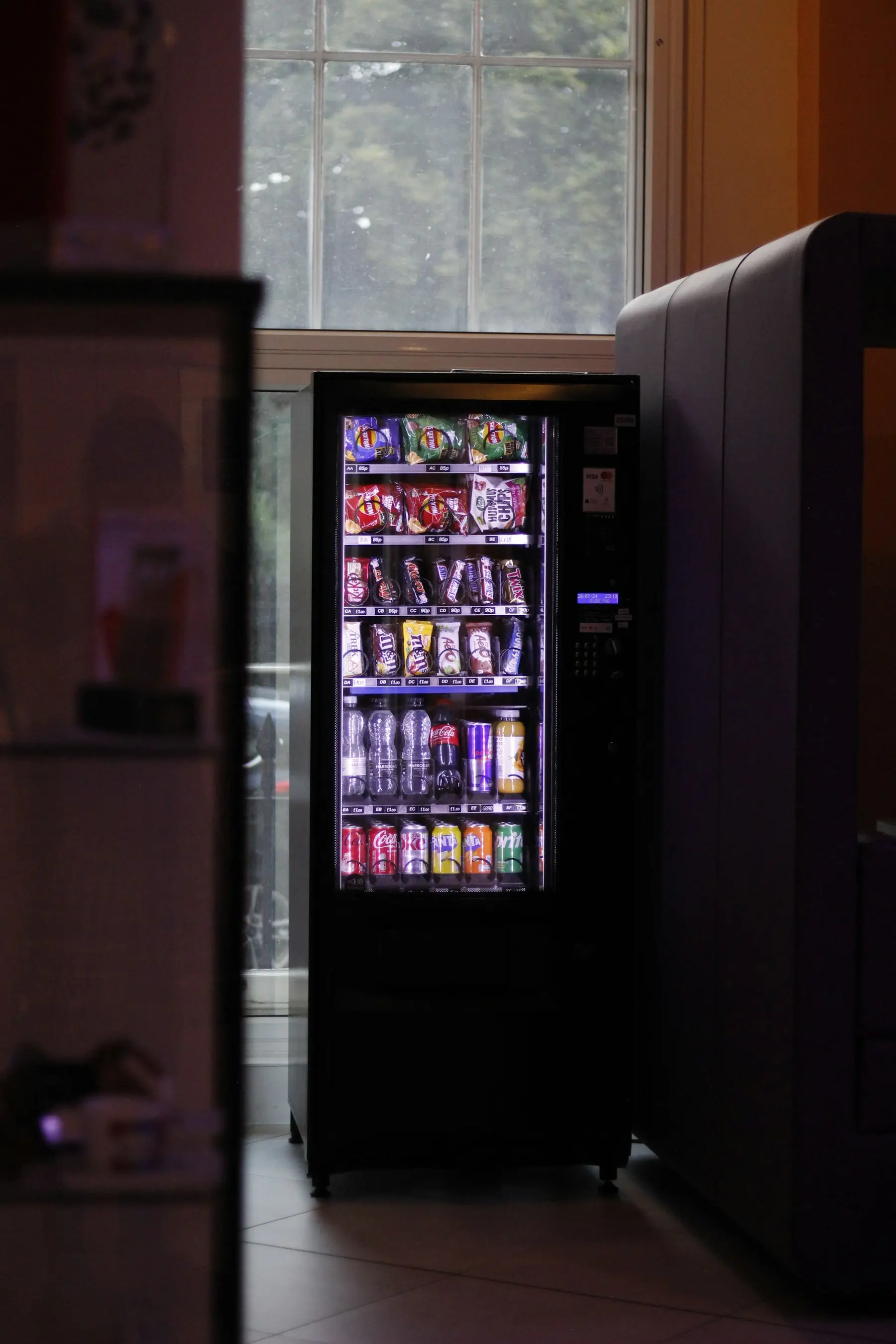
Snack and drink combo. The machine price is the Selectivend Refreshment Center at Sam’s Club1, $4,198. Card fees are the Cantaloupe Engage2 reader’s 5.95% plus $9.95 a month.
AI vending cooler. The VMFS AI Grab & Go Cooler3 at $2,950, the lowest maker’s price in our smart cooler comparison. Platform fees differ by seller; the fee comparison has each one.
Claw machine. M&P Amusement’s refurbished Candy House crane4 at $2,695 plus shipping. It takes coins, so card fees start at zero. California’s Bureau of Gambling Control lists claw machines among illegal gambling devices; best vending machines has the details.
Sales, product cost, and commission start blank for every machine except our cooler. Sellers’ revenue claims are marketing, and we found no survey of per-machine sales by location type.
Commission
A vendor blog, VendBuddy5, puts location commissions at 5% to 20% of gross sales, with small offices at 0% to 5%. We could not find a survey from NAMA or the trade press. Use the rate in your agreement with the location.
Your time
Restock visits and hours per visit are optional. With them, the calculator divides net profit by the hours you work on the machine. Count the drive. A machine that earns $200 a month and takes six hours of visits pays about $33 an hour before tax.
What the calculator leaves out
Shrink, the product that leaves without being paid for, is not a separate line. If you track it, add it to product cost. Sales tax is collected from customers and paid to the state; the California sales tax guide shows the vending rules. Income tax, depreciation, and the van are business-wide costs.